Collage Art Fashion Item: Pilar Vilagrasa
Curatorial Storytelling: Oana Maroti
I am impressed by what ladies can do with a needle, thread, scissors, and some recycled fabrics. Through textile knowledge, people can now be fashionable and dress functionally, without it we could have been still robbing animals of their furs.
Textile arts are one of the most diverse art forms as besides being good-looking they are also, wearable.
Women everywhere sewed garments, giving a second life to materialities that would otherwise have been considered trash.
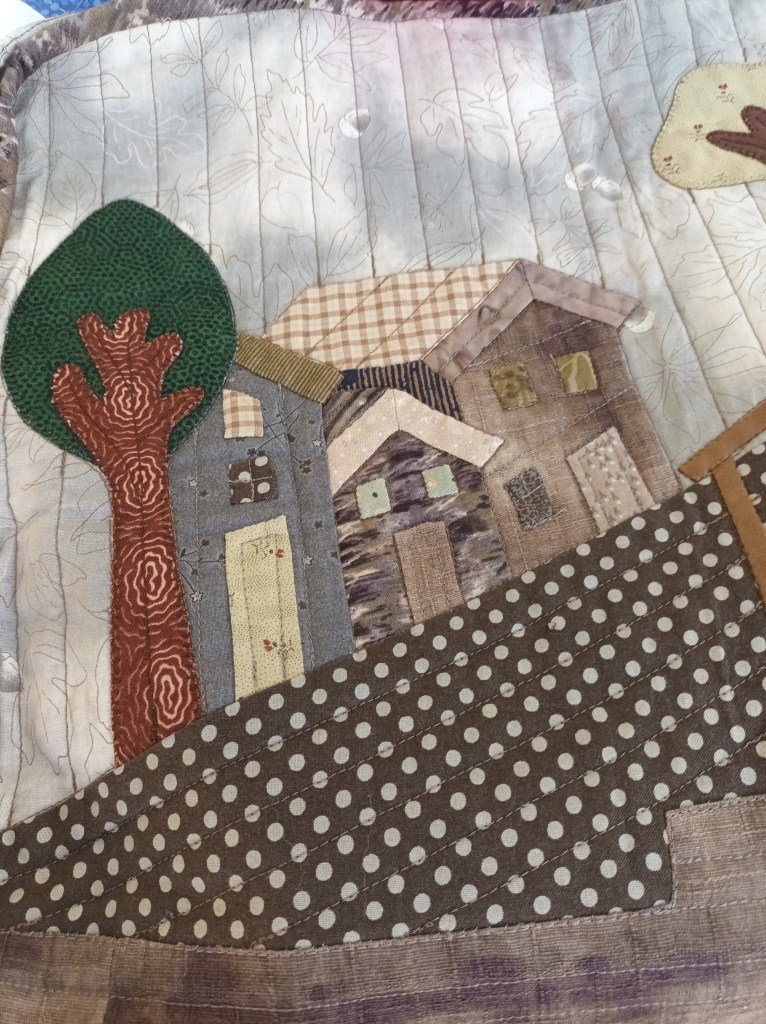
This practice supported modest families and was developed by women. It demonstrates intelligence, creativity, and problem solving.
In addition to being aesthetic, textile collage appeared as an experimental necessity that paved the way for a new design approach.
Pilar´s compositions blend African prints and color with Asian prints and color in a European mixed context inviting the viewer to check the heritage of mountain culture and the wonderful fabrics and techniques produced by women everywhere.
Trends are harming the environment with non-ecological commercial products and pretty advertising, uniformizing our wardrobe and the interior esthetics.
Real quality clothing and textile accessories exist in every corner of the world, like hidden gems, waiting to be found. The whole fabric recycling system has been a reality since forever in economically challenged areas, where incredible hand-made specialists show their craft.
Pilar Vilagrasa makes a call to action for the visibility of the textile arts immense interculturality and potential to shape a sustainable textile tourism that could verry well support entire regions that are so rich in textile techniques, yet invisible.
Some people prove that it is possible to make beautiful products that do not harm the environment and bring personal satisfaction to the user, since handmade items are unique.
Many men are interested in fabrics and design and have a lot of talent, but their presence in production groups is limited. In quilt exhibitions, for example, male creations are a rarity, although if they appear they can be impressive.
Is it possible that men are socially discouraged from having such activities?
__________________________
SP:
Collage textil ecológico
Me encanta lo que las mujeres pueden hacer con aguja, hilo, tijeras y algunas telas recicladas. A través del conocimiento textil, la gente ahora puede estar a la moda y vestirse funcionalmente.
Las artes textiles son las formas artisticas más diversas. Mujeres de todas partes cosieron prendas, dando una segunda vida a materialidades que de otro modo habrían sido consideradas basura.
Esta práctica apoyó a familias modestas y fue desarrollada por mujeres. Demuestra inteligencia, creatividad y resolución de problemas. Además de ser estético, el collage textil apareció como una necesidad experimental que allanó el camino para un nuevo enfoque de diseño.
Pueblo de Montaña Español
Las composiciones de Pilar Vilagrasa combinan estampados y colores africanos con estampados y colores asiáticos en un contexto mixto europeo que invita al espectador a comprobar la herencia de la cultura montañosa y los maravillosos tejidos y técnicas producidos por mujeres de todo el mundo.
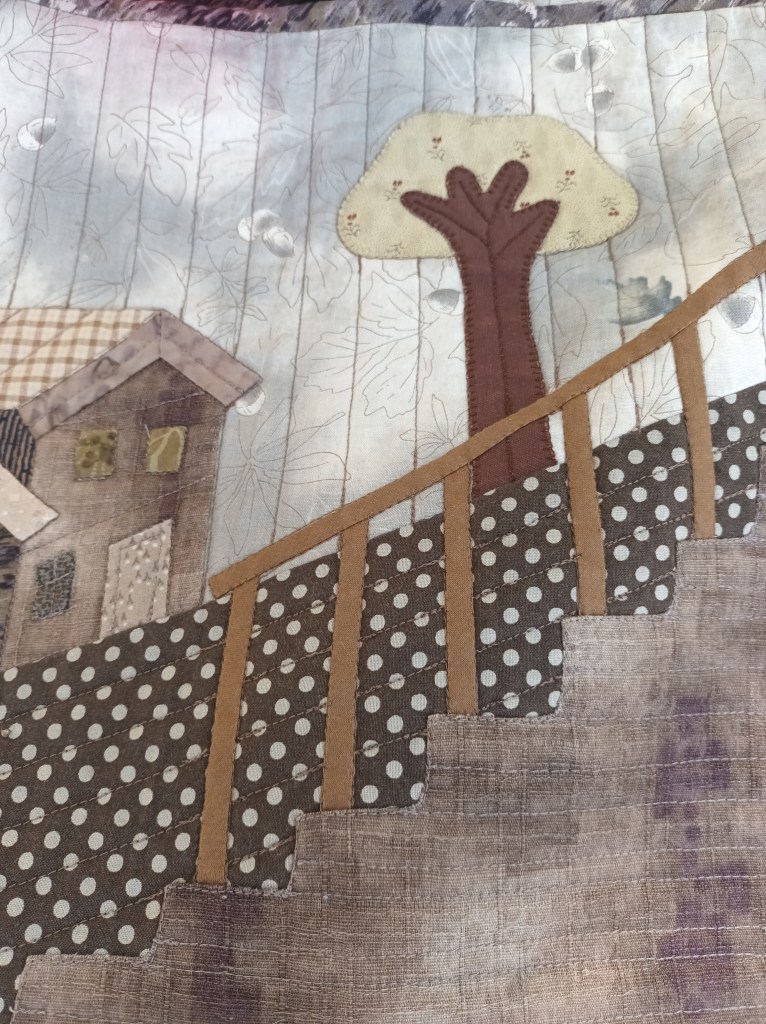
Las tendencias dañan el medio ambiente con productos comerciales no ecológicos y publicidad bonita, estandarizando nuestra apariencia y diseño interior.
Ropa y accesorios textiles de auténtica calidad existen en todos los rincones del mundo, como joyas escondidas que esperan ser encontradas. Todo el sistema de reciclaje de telas es una realidad desde siempre en áreas con dificultades económicas donde increíbles especialistas muestran su creatividad y magníficas habilidades.
Pilar Vilagrasa reclama acciones para visibilizar las artes textiles y a reconocer la inmensa interculturalidad y su potencial para configurar un turismo sostenible.
Algunas personas demuestran que es posible realizar productos bonitos que no dañen el medio ambiente y aporten satisfacción personal al usuario, ya que los artículos hechos a mano son únicos.
Muchos hombres se interesan por los tejidos y el diseño y tienen mucho talento, pero su presencia en los grupos de producción es limitada. En las exposiciones de colchas, por ejemplo, las creaciones masculinas son una rareza, aunque si aparecen pueden resultar impresionantes.
¿Es posible que los hombres estén socialmente disuadidos de realizar este tipo de actividades?
 Underground Art & Literature - open access to culture