
Storytelling for Human Rights by Oana Maroti
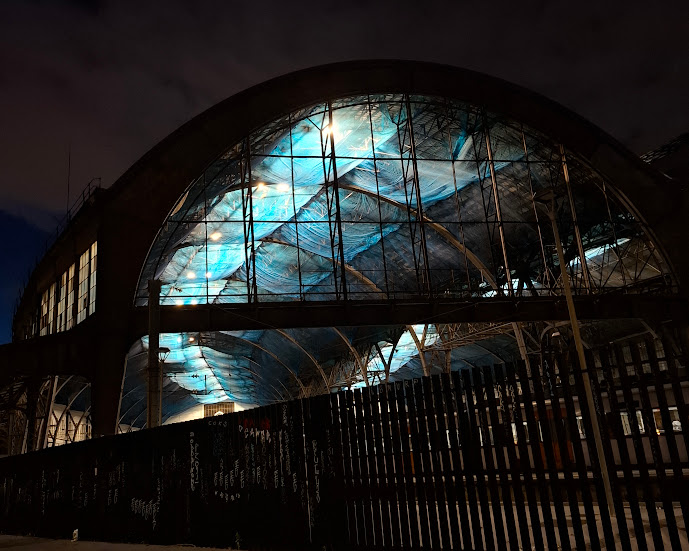
One of the people with no roof I had the pleasure of speaking with, Mr. Sergei, explained how he came to Barcelona from Eastern Europe to work, encouraged by acquaintances.
When he arrived, no one was waiting for him at the station, and no one answered their phone, so he waited at the train station. He waited for days, weeks, months; none of his friends looked for him, nor did any social support staff ask if he was alright during all that time. At that point, he didn't speak Spanish, and with the 3 Eastern European languages he knew, he had no way of communicating what had happened to him. He tried, for months, to make himself understood, in despair, but in vain. He even said some words in German at one point, yet nothing. Now, Mr. Sergei is telling all this story in Castellano; he also understands Catalan, yet he´s been on the streets for years, and there are no visible signs of social inclusiveness.
When people find themselves in a difficult situation, such as being lost in another country, they seek help in city centers, but they remain invisible; they are avoided. They are approached to be expelled or insulted, but not necessarily to be helped.
Public transportation is essential to the city's dynamics, as workers rely on it, and its stations are already international hubs by default. In winter, they miss having hot drinks available, and at least soup, showers, and, of course, a safe place to live, since refugees and migrants from all over the world arrive here, and plans from home don't always go as expected, or they are obliged to wait for documentation for a long time, even years.
The transportation system must participate in the fight against human trafficking, and for this reason, I urge any administration to consider creating and maintaining a social services department in each major station, staffed by incorruptible individuals who can coordinate and sustain human rights.
 Underground Art & Literature - open access to culture