Curatorial Monologues fragment - Underground Culture close-up by Oana Maroti
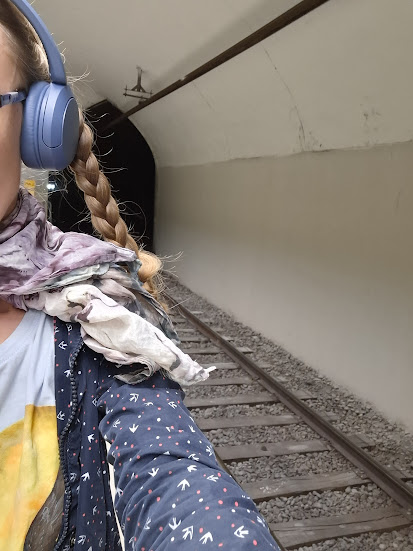
After checking how underground culture is presented online, I had to intervene.
Underground Culture is not an anti-cultural movement; it's Social Arts and Philosophy, as much as it can get.
Underground Culture specializes in immigration storytelling and human rights aspects.
It's from the underground arts that the "surface art" takes its inspiration.
If we don't understand the underground culture, we won't be able to apply the Strategy of Inclusion, and to understand it, we need an intense intercultural knowledge.
Politicians and coordinators are invited to spend some time opening books and adding the missing knowledge to the curriculum, as from a far distance we perceive the incult and corrupt.
Modified underground creative messages, imposed grey walls over artistic expression, are closed communication, or in an inclusive society, we want it to be open. It´s up to you to educate yourself and your people on the existence and manifestations of a realm created by discrimination, and take note of what artists and thinkers all over the world tried so hard to link and exposed as systemic errors.
The majority of us already know about troubleshooting, and before IT, we knew about case management.
The underground culture is something similar to a troubleshooting program, errors explained, some for millennia, in all possible languages and ways of communication, as survivors, besides being excluded and stigmatized, dedicated their existence to send a message, that´s not personal, it concerns us all. The underground arts might seem different, experimental, and challenging, but they maintain the core travel, migration element: justice is a big issue for humans.
The collective memory asks for settlement, and via art, it´s not revenge we seek; that would be illogical, as it just opens new devastating dynamics. We want visibility, troubleshooting, problem-solving, and fair negotiation. We want Peace!
 Underground Art & Literature - open access to culture